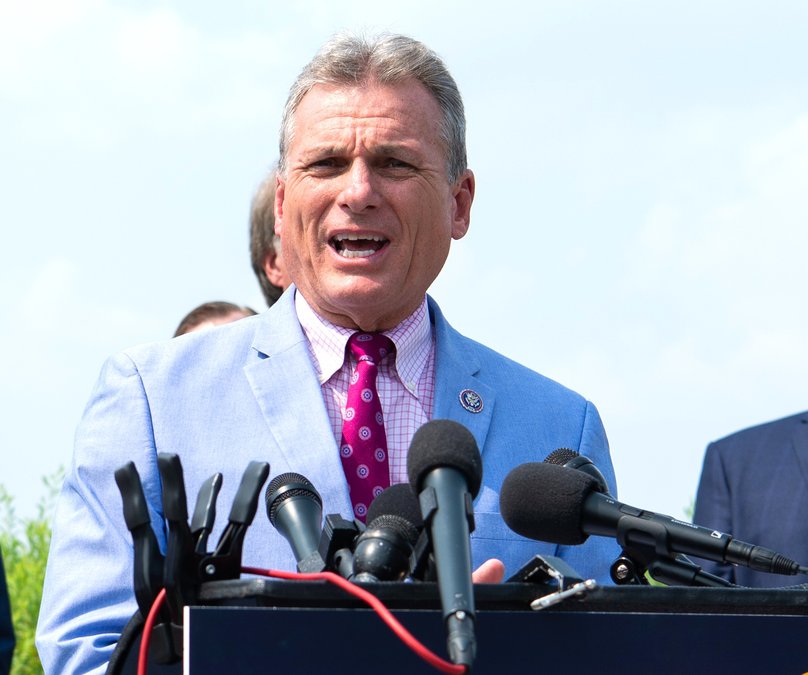
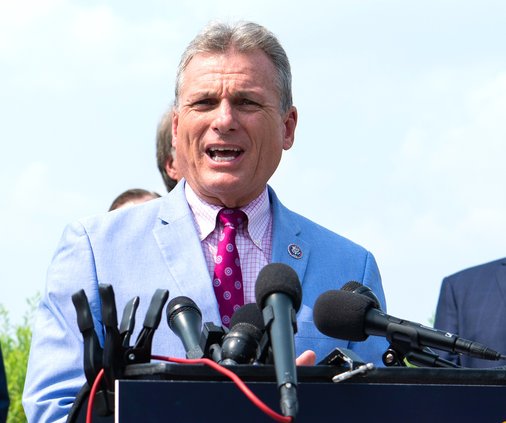
When the Effingham Herald requested an interview with U.S. Rep. Buddy Carter about why he supported the sweeping legislation named the “One Big, Beautiful Bill,” the congressman declined a one-on-one conversation. Instead, we submitted written questions on issues directly affecting Effingham County and rural Georgia. Carter responded to some — though not all — of the questions. Below is the full exchange, with his answers provided in full and context added where responses did not address the specifics.
Q: Georgia is projected to lose about $12 billion in Medicaid funding over the next 10 years under this legislation. Rural hospitals like Effingham Health System rely heavily on Medicaid to care for low-income and elderly patients — and across Georgia, Medicaid makes up between 15 and 25 percent of rural hospital revenue, depending on the facility.
Explain why you voted for a bill that risks deep funding cuts to rural healthcare — and what specific protections does the bill provide for communities like ours?
A: “We are saving, securing, and sustaining Medicaid and SNAP for the most vulnerable in our society, for whom these programs were intended. By eliminating waste, fraud, and abuse, including duplicate enrollments, illegal immigrants receiving benefits, and ineligibles, we will ensure these vital services are available for those truly in need.”
The congressman focused on preserving the programs through stricter eligibility, but did not address the projected loss in Georgia Medicaid funding or protections for rural hospitals.
Q: The bill expands short-term health insurance plans that are not required to cover pre-existing conditions or essential health services. In rural areas, where healthcare options are already limited, these plans could increase risk for underinsured residents.
Explain why you voted to allow these plans — and what assurances do you have that rural families won’t be left with inadequate coverage?
A: No direct response provided.
Q: The Child Tax Credit remains at $2,000 per child with a $1,500 refundable portion, but income eligibility was sharply reduced — phasing out for joint filers starting at $60,000 and single filers at $30,000. That puts many working families in Effingham County at risk of losing some or all of the credit.
Share why you supported these new thresholds — and how do you see the change not negatively affecting families here in Effingham County?
A: “The One Big, Beautiful Bill doubled the child tax credit for the more than 96,000 people in Georgia’s First Congressional District who claim it.”
While Carter emphasized the expansion, he did not address how the tighter income limits may impact working families locally.
Q: For a married couple earning the Effingham County median of $75,000, the new tax code offers only a modest tax cut — typically a few hundred dollars annually. Meanwhile, most of the bill’s tax breaks go to the top 1 percent — a group with little or no presence in Effingham County.
Why did you vote for a bill that gives the largest benefits to wealthy Americans, while offering only minimal relief to middle-income families here at home?
A: “The One Big, Beautiful Bill implements the largest tax savings in American history, putting $1,500 back in Georgians’ pockets, in addition to eliminating taxes on tips, overtime, and providing a tax break for seniors on social security. With this bill, we are putting more money in hardworking Americans’ wallets, because you know best how to use your paycheck, not Uncle Sam.”
Carter cited broad tax relief for workers and retirees but did not address the disproportionate benefit to high-income earners.
Q: The bill lets farmers and small business owners deduct the full cost of equipment and property more quickly than before — meaning they can reduce their taxes sooner after buying things like tractors, tools, or vehicles. But experts say most of the tax benefits will go to larger companies.
How does this bill support local farmers, tradespeople, and Main Street businesses in Effingham County — and what provisions specifically help small, rural operators in Southeast Georgia?
A: “The One Big, Beautiful Bill is a bold step forward in restoring America's manufacturing base and revitalizing our small business economy. By renewing full and immediate expensing for equipment and facilities built in the U.S., the legislation directly supports new investment in domestic production, leading to higher wages and nearly 300,000 new jobs. It also delivers critical relief for America's small businesses. By increasing the small business expense threshold and making the Small Business Deduction permanent, the bill empowers 30 million entrepreneurs to grow, hire, and invest with confidence.”
Carter highlighted nationwide small business provisions, but did not provide details specific to rural Georgia or agriculture.
Q: The bill caps the state and local tax (SALT) deduction at $10,000 and eliminates several itemized deductions — including those for unreimbursed work expenses and tax preparation fees. Middle-income homeowners and retirees may see their tax liability rise as a result.
Explain why you voted for these changes — and what would you say to local families who may now owe more?
A: No direct response provided.
Q: The Congressional Budget Office estimates the bill will add more than $2 trillion to the federal deficit over 10 years. Economists warn this could trigger future spending cuts in education, infrastructure, broadband, and agriculture — all critical in rural Georgia.
Share why you supported a bill that increases the deficit — and what’s your plan to protect local services if federal cuts follow?
A: “The CBO is more often wrong than right. It said the Trump tax cuts would lead to a $1.5 trillion revenue decrease, when the opposite ended up being true. I don’t trust that it is scoring this bill accurately.”
The congressman disputed the nonpartisan CBO’s forecast but did not offer an alternative projection or plans to protect rural services if cuts follow.
Q: The bill reduces IRS enforcement funding, limiting the government’s ability to pursue wealthy tax avoiders. Critics argue this weakens fairness and shifts more of the tax burden to working Americans.
Explain why you voted to reduce tax enforcement — and how does that help ensure rural families and small businesses aren’t left carrying the load?
A: No direct response provided.
Q: About 10 percent of Effingham County residents received SNAP (Supplemental Nutrition Assistance Program) benefits. The bill reinstates work-reporting requirements and eliminates exemptions for veterans, foster youth, and unhoused individuals — changes expected to remove food aid from hundreds of thousands of people nationally.
Why did you vote for a bill that tightens access to food assistance — and how will you protect vulnerable residents who depend on SNAP?

A: “We are saving, securing, and sustaining Medicaid and SNAP for the most vulnerable in our society, for whom these programs were intended. By eliminating waste, fraud, and abuse, including duplicate enrollments, illegal immigrants receiving benefits, and ineligibles, we will ensure these vital services are available for those truly in need.”
Carter repeated themes from his Medicaid response but did not address how the bill affects specific SNAP populations locally, including foster youth or veterans.
Q: The bill proposes a 4 percent reduction in the Department of Veterans Affairs (VA) staffing in 2025, followed by an additional 5 percent cut in 2026, potentially eliminating around 80,000 positions — including many veterans who work within the system. It also cancels 875 VA contracts worth nearly $2 billion, funding essential services like medical care, cancer treatment, and veteran burial programs. According to the latest U.S. Census data, roughly 9.2 percent of Effingham County’s population are veterans.
Explain why you supported a bill that risks cutting critical resources and staff from the VA — and what will you do to protect veterans in Effingham County who rely on these services?
A: No direct response provided.
Q: You’ve aligned this bill with President Trump’s economic agenda, which emphasizes deregulation and tax reform. But many provisions reduce federal support for healthcare, nutrition, and rural infrastructure — services vital to Effingham County residents.
Explain to your constituents why this bill serves their best interests — and what do you see as its greatest benefit to our local community?
A: “This bill will usher in the Golden Age of America by lowering taxes, unleashing American energy dominance, bringing down inflation, investing in American industries, and putting America First.”
Carter framed the bill as a transformative national economic plan but did not directly address the reductions in rural federal support.
Q: Thank you for your time. Are there any provisions or impacts in the bill affecting Effingham County or similar rural communities that we haven’t discussed but you believe are important to share?
A: “Democrats like radical Jon Ossoff voted for the largest tax hike in American history – they need to explain to Georgians why they believe funding waste, fraud, and abuse is more important than affording 7 weeks’ worth of groceries.”
The congressman concluded by criticizing Democratic opposition to the bill but did not name any additional provisions relevant to rural Georgia.