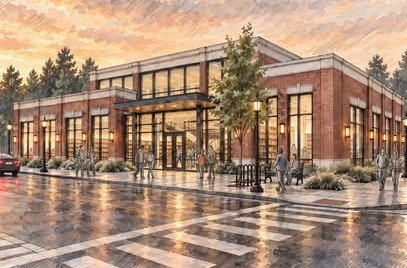
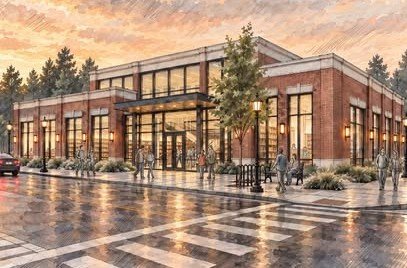
SPRINGFIELD, Ga. — A new library. A sheriff's office training center. A senior center.
All were on Effingham County's to-do list. Now, all are on hold.
Those projects are among the major items left without a funding source after Effingham County voters narrowly rejected a proposed six-year Special Purpose Local Option Sales Tax (SPLOST) renewal in the Nov. 3 midterm elections. The measure failed by just 140 votes.
The renewal was projected to generate approximately $200 million over six years for infrastructure, public safety and community improvements across Effingham County and its municipalities.
The defeat leaves county officials and local governments reconsidering how — or when — they can move forward with projects that had been counting on the penny sales tax for funding.
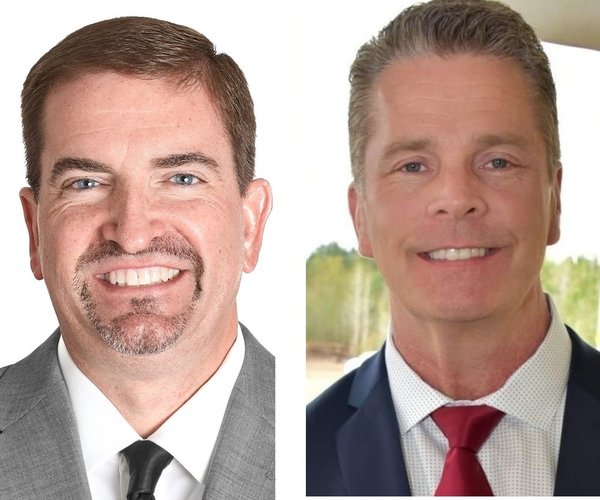
“Anything on the SPLOST list is obviously going to hit pause,” said Tim Callanan.
The proposed Department of Public Health building also was among the projects that lost its anticipated funding, Callanan said.
“All that stuff was kind of on the list, but they're effectively unfunded without SPLOST,” he said. “We're just going to have to hit pause on all of them.”
Affordability played a role
The defeat came at a time when affordability was a driving issue for voters, Callanan said. He sees a connection between the strong support for property tax relief and the rejection of a sales tax extension.
In Effingham County, voters overwhelmingly supported the homestead tax relief measure while turning down the SPLOST renewal.
“I think the predominant one is, you know, this was a big affordability election,” Callanan said. “And it's consistent.”
He believes voters viewed the two measures through the same pocketbook lens: supporting tax relief while opposing the continuation of another tax.
But Callanan also thinks the county struggled to get its message across amid the intense attention surrounding Project Camellia and the contested local Board of Commissioners elections.
The county tried to explain what SPLOST pays for, who contributes to it and how it can reduce the burden on property owners, he said. But that message was competing with other issues dominating the campaign season.
“When all people hear about every single day is something related to the data center, you try and squeeze a message on, ‘Hey, here are the list of SPLOST projects,’ it just gets lost,” he said.
Callanan said another important point may not have resonated with voters: SPLOST can be a less costly way to fund public projects than relying on property taxes. Because of Effingham County's commercial activity, he said, the sales tax spreads the cost among a broader group of people, including visitors and people who live outside the county.
“That a SPLOST, or penny sales tax, in Effingham County — not in every county, but because of the commercial dynamics of Effingham County — is a much cheaper alternative than property tax,” he said.
Data center also loses potential contribution
The SPLOST defeat also means OpenAI's proposed Project Camellia data center will not contribute the additional penny in sales tax that would have been dedicated to SPLOST projects.
At full buildout, the facility's electricity purchases alone could have generated more than $10 million annually in SPLOST revenue, based on Callanan's estimate.
Callanan characterized the lost potential revenue as effectively a $10 million annual tax break for the data center.
He also argued that large businesses contribute to the sales tax pool without placing the same demands on public services as individual residents. Businesses generally don't use the parks, senior centers and other public amenities that SPLOST projects help fund, he said.
With major industrial and commercial developments expected to generate substantial sales tax revenue, Callanan said he had envisioned a future in which local governments could rely more heavily on sales taxes and reduce the property tax burden on homeowners.
He still hopes to reach a point where sales tax revenue generated by major commercial and industrial developments, particularly the data center and power plants, could significantly reduce — or even eliminate — property taxes for homeowners.
He acknowledged the SPLOST defeat is a setback, but not a change in that long-term goal.
“Just a little hiccup,” he said.
Springfield faces $9.25 million shortfall
The failed referendum also leaves local governments facing difficult decisions. Cities rely heavily on SPLOST revenue, Callanan said, and will have to determine which projects can proceed and which must be delayed.
Springfield had anticipated receiving $9.25 million in SPLOST revenue over the next six years. Without that funding, city officials will have to delay projects or find other ways to pay for them, City Manager Lauren Eargle said.
Among the projects affected are renovations to City Hall and the Police Department building, a proposed pavilion or amphitheater at Ulmer Park, and needed upgrades and replacements to aging water and sewer infrastructure.
The loss also will affect the city's ability to replace essential equipment for its water, sewer, streets, stormwater, Mars Theatre and public safety operations, Eargle said.
“These needs don't disappear simply because the funding does,” she said. “Our buildings will continue to age, our infrastructure will still need repairs, our equipment will still need replacing, and our community will continue to grow.”
Finding alternative funding could mean drawing from already stretched operating budgets or passing some costs directly to utility customers through higher rates and fees.
Eargle said SPLOST allows communities to spread the cost of improvements among everyone who spends money in the county, including visitors and people who live elsewhere.
Without it, the financial burden falls more heavily on local residents, utility customers and property taxpayers — or projects are pushed further into the future, potentially becoming more expensive as they wait.
“Without SPLOST, our options for funding necessary capital improvements become more limited, and the pool of residents and businesses sharing that financial burden becomes much smaller,” Eargle said.
Chamber: Needs haven't gone away
The Effingham County Chamber of Commerce also expressed disappointment in the referendum's defeat but said the vote changes the conversation about how the county will pay for future growth.
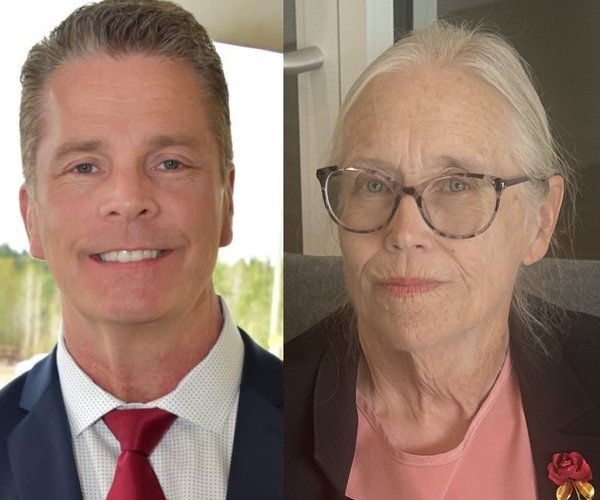
“While we're disappointed in the outcome, we respect the voice of Effingham County voters,” said Chamber President and CEO Susan Kraut. “Our support for SPLOST is rooted in the belief that continued investment in infrastructure, public safety, and community facilities is essential to managing our county's growth responsibly.”
Kraut said the county's infrastructure and public service needs remain, even though voters rejected the funding mechanism intended to address them.
“The needs haven't gone away, and neither have the expenses,” she said. “The voters have simply told us they want a different approach to paying them.”
Kraut also pointed to the role visitors, businesses and major industrial investments play in generating sales tax revenue, saying SPLOST allows communities to capture revenue from people and businesses beyond the local residential tax base.
Without renewal, the county loses an opportunity to use those contributions to help pay for infrastructure and services that benefit the entire community, she said.
“The question now is who will shoulder that responsibility,” Kraut said.
She said the referendum need not be the final word on SPLOST, but acknowledged that its defeat changes the discussion heading into the coming year.
The Chamber will continue advocating for investment in infrastructure and public services needed to protect the county's quality of life and sustain its economic future, Kraut said.
Another vote possible in November 2027
Effingham County could bring SPLOST back to voters as early as November 2027, but state law requires a 12-month wait after a referendum is defeated before the measure could be put back on the ballot, Callanan said.
He said he has not yet discussed the possibility with the Board of Commissioners. County officials will need to sit down and consider their strategy before deciding whether to try again.
Homestead measure provides a bridge to tax relief
Callanan said the Local Homeowners Incentive Adjustment Grant allows the county to eliminate its portion of property taxes on qualifying homesteaded homes in 2027. The grant is intended as a temporary bridge until the county can put a Local Homestead Option Sales Tax (LHOST) in place to provide a longer-term source of tax relief. School district property taxes would not be affected.
The next step is securing legislation from the Georgia General Assembly to authorize an LHOST referendum, which county officials hope to put before voters next year. That effort will come amid a major political transition in Atlanta, with Gov.-elect Keisha Bottoms preparing to take office and Democrats set to assume control of the Georgia House. The change means Effingham County will need to work with a new House leadership team after Republican Jon Burns' tenure as speaker ends.
Callanan said delays could mean the county would need to extend the temporary tax relief, potentially by supplementing available funds from the Industrial Development Authority.
“If we have to extend the bridge, yeah,” he said. “It may take another year to get LHOST passed. I just don't know.”