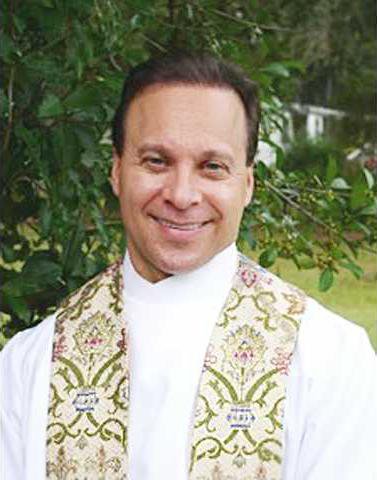
As a bi-vocational pastor, I often cannot avoid the influence my position as professor of health science has on my role as pastor. Sometimes this is a good thing; other times probably not so much.
I can usually recognize when I’m wearing my professor hat based on how I respond to certain issues. I was reminded of that this past week when I was asked to counsel a woman who was being abused by her husband.
It was, unfortunately, an all too common story: She thought she could fix him. The violence escalated over time. There are children involved. She’s afraid to leave.
The last blow-up was a near-death experience for her, literally. Her husband had his hands around her throat and was sitting on her. She thought she was certainly going to die right there.
Nothing in all that surprised me. What I was indeed surprised to hear what that she was getting counseling from her pastor.
“Great. What is he telling you?” I asked, assuming I would make it two people telling her the exact same things.
“Well, he wants me to give my husband an ultimatum — stop or I will leave.” I wish I could have seen the look on my own face.
“What?” I responded. “Are you joking? You are the victim of domestic violence! You don’t give an abuser an ultimatum; you give them a ‘go to jail for free’ card!”
Now, I know what that pastor was feeling. First, we see domestic violence as not only a civic wrong but also a sin on a deeply spiritual level.
The husband who abuses his wife takes on the image of the devil, not Jesus. And we feel most qualified to work on that.
Second, we pastors do genuinely desire to help. We want to fix people and families. We feel a responsibility to bring about reconciliation and healing in those to whom we are called. I get that.
But we cannot do that when there is violence. Ever.
After all, three women per day are murdered by a current of former male partner nationwide. A woman is beaten every nine seconds in the U.S. We have to stop pretending it doesn’t happen to people we know.
As soon as we know there has been physical violence of any kind, there is only one call, and that is to the authorities — the police or sheriff’s office. The pastor, in my opinion, needs to move from passive counseling to active assistance. Someone may need to find the woman (and possibly children) a place to stay, orders of protection may need to be filed, witnesses may need to be contacted, and pictures taken. All this can be done with the assistance offered from the authorities and other support services. Church congregants are poised to help as well.
In Romans 13:4 (NLT), St. Paul writes, “The authorities are God’s servants, sent for your good. But if you are doing wrong, of course you should be afraid, for they have the power to punish you. They are God’s servants, sent for the very purpose of punishing those who do what is wrong.” Use them.
It can never be too early to call, but it can be too late.
I don’t know if I responded as health science professor to the detriment of my pastoral role; perhaps I did. But I do know this: If we do not recognize a person in danger, and if we do not utilize the authorities who are there to right wrongs, we fail God and each other.

