SPRINGFIELD, Ga. – Three Effingham County residents have filed a lawsuit seeking to overturn the county's recent zoning change that cleared the way for data centers to be built in industrial areas – including the type of development proposed for OpenAI's Project Camellia.
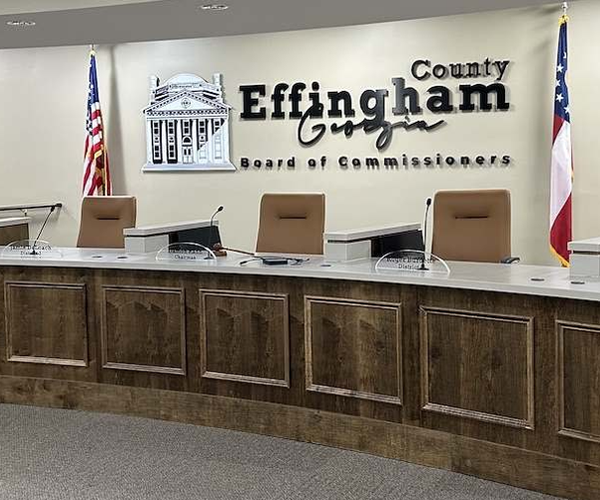
The complaint, filed Sept. 2 in Effingham County Superior Court, challenges Ordinance 2026-352, which county commissioners gave final approval Aug. 4.
The lawsuit asks a Superior Court judge to throw out the ordinance and stop Effingham County from using it unless the required zoning procedures are followed.
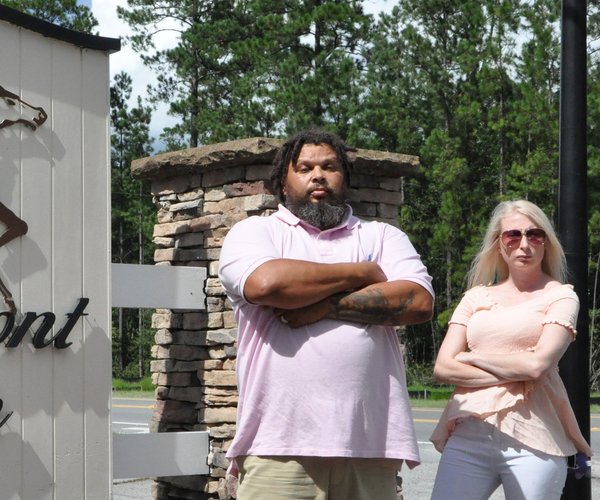
Plaintiffs Dr. Michelle Finch-Mincey, Lehman Mincey Jr. and Raymond Carver say the county failed to follow state law and its own zoning rules when it approved the ordinance without the public hearings they say were required. The complaint was filed on their behalf by Savannah attorneysE. Gregory Gilluly Jr. and Brent J. Savage.
The lawsuit does not ask the court to stop Project Camellia or halt construction of the proposed data center.
Effingham County had not yet filed a response to the lawsuit. The Effingham Herald has reached out to the county for comment and is awaiting a response.
Plaintiffs challenge public hearing process
The lawsuit centers on how the county approved the zoning change.
Ordinance 2026-352 changed the county's zoning rules to allow data centers to be built on property already zoned for industrial use. According to the complaint, the county's zoning ordinance requires two public hearings before action can be taken on a zoning change – one before the Planning Board and another before the County Commission.
The plaintiffs say neither hearing was held before commissioners approved the ordinance.
The lawsuit also cites Georgia's Zoning Procedures Law, which requires local governments to hold a hearing before taking certain zoning actions.
"Ordinance 2026-352 was not presented to the Planning Board for the required public hearing, and the County Commission did not conduct the required public hearing before giving final approval," the complaint states.
Lawsuit connected to Project Camellia
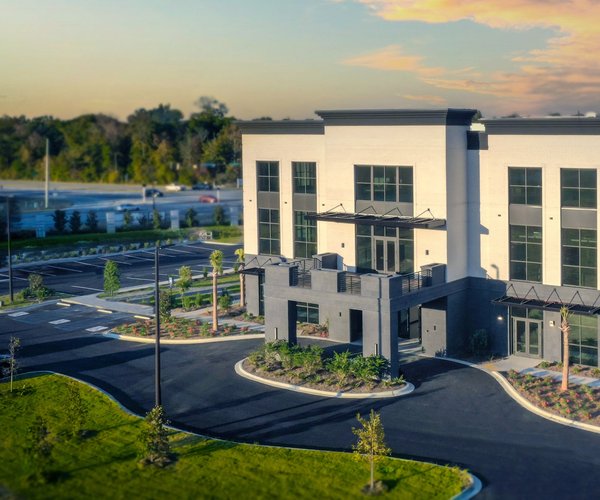
The legal challenge comes just over a month after OpenAI announced Project Camellia, a proposed 1,400-acre data center campus in Effingham County. The project could require up to 3.2 gigawatts of electricity – enough to power roughly three cities the size of Atlanta.
The complaint alleges the zoning change was made while county officials and others were working behind closed doors on the project. It says Ordinance 2026-352 "paved the way" for the proposed AI data center.
The plaintiffs say their lawsuit is about the county's process, not necessarily the development of AI data centers. They argue residents should have been given a chance to weigh in on the zoning change.
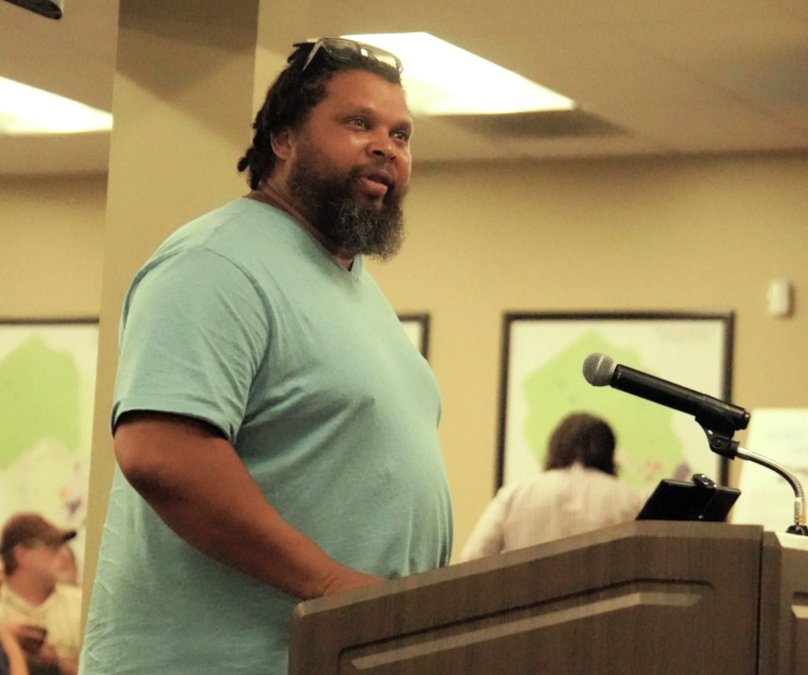
Carver, who lives near the proposed site, has raised concerns about what the project could mean for nearby homes and schools.
"We bought into that neighborhood, into that area, because we wanted the quiet right to enjoyment," Carver said.
"Take it away from people, neighborhoods and schools," Carver said.
He also has criticized the lack of public input surrounding the project.
"We're constantly being pushed out of being able to have a voice in this entire situation," he said.
The complaint says the proposed data center would be built next to an elementary school and neighborhoods. The three plaintiffs say the zoning change could affect their property values, quality of life and health.
Broader allegations
The complaint also raises broader claims about how Effingham County officials handled Project Camellia and changes to the county's zoning process.
The plaintiffs allege county officials took part in nontransparent negotiations involving Project Camellia. They also say County Manager Tim Callanan signed a nondisclosure agreement with OpenAI OpCo LLC that prevented him from sharing information about the project with the public.
The complaint alleges commissioners weakened the Planning Board's role in reviewing zoning changes without following the county's own rules.
The lawsuit also raises claims involving information about Effingham County residents that was allegedly given to a private corporation, an executive session the plaintiffs say was not properly announced and possible conflicts of interest.
The plaintiffs argue the county's actions violated their due process rights.
Those claims are part of the lawsuit and have not been proven in court.