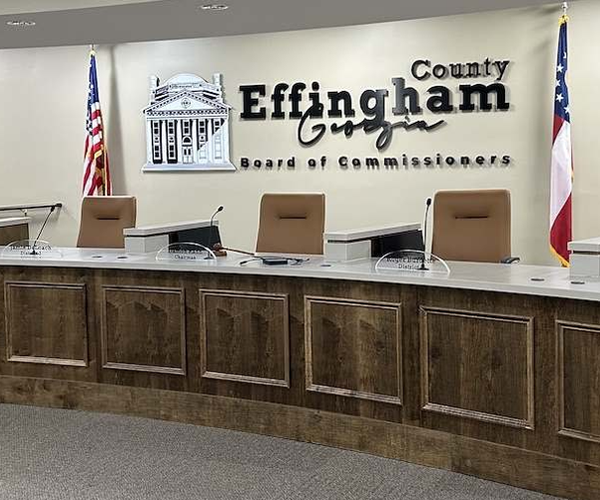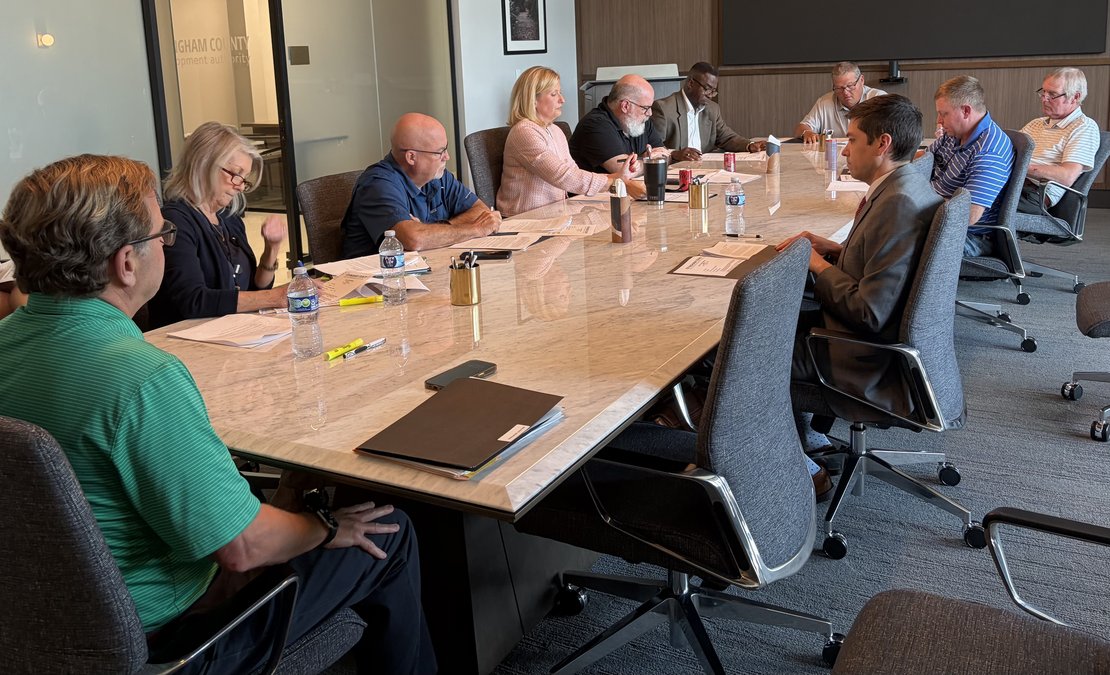
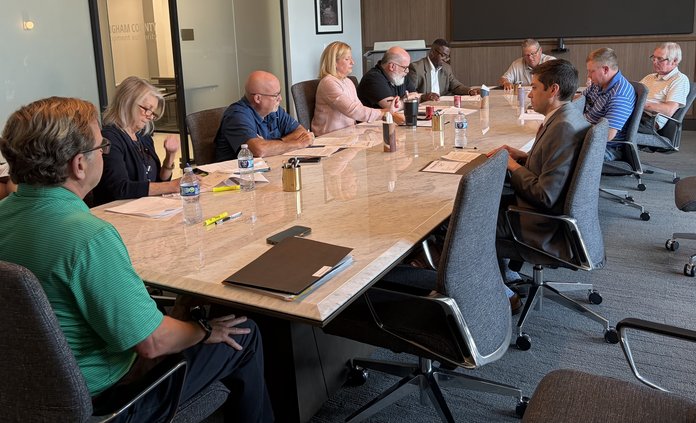
RINCON, Ga. – The Effingham County Industrial Development Authority approved three measures Aug. 31 aimed at reducing the local tax burden while directing funds from OpenAI’s Project Camellia toward the school district and economic development projects in the county.
The decisions came as the ECIDA, Effingham County Board of Commissioners and Board of Education work on agreements intended to roll back millage rates for 2026. ECIDA CEO Brandt Herndon said the three entities have been working together on the agreements, with attorneys reviewing the documents in the days leading up to the meeting.
The ECIDA votes dealt with three pieces of the deal. One will send $21 million to the county and $9 million to the school district, with as much as $90 million available over three years for roads, water and sewer work, jobs and other economic development projects. The school district plans to use its share to help cut its millage rate by 2 mills, from 18.45 mills last year to 16.45 mills this year. Another vote changes how Project Camellia’s payments in lieu of taxes, or PILOT payments, will be calculated, setting the rate at 32 mills for 15 years. The third calls for the authority to give up its two-mill tax for 2026, helping the county meet its obligations under the agreement.
The measures passed without public comment. Several residents who tried to speak were told public comment was not allowed during the special called meeting.
Funding for county, schools
The first vote approved an intergovernmental agreement between the authority, Effingham County and the school district.
Under the agreement, the authority will provide $21 million to the county and $9 million to the school district within 30 days of the agreement taking effect.
The agreement allows for as much as $90 million in transfers over its three-year term. The funds are intended for economic development-related services and projects, including infrastructure improvements, water and sewer upgrades, job creation, attracting development and affordable housing efforts.
The school district’s $9 million share is part of a broader tax-relief plan approved by the school board earlier in the morning.
The Board of Education voted unanimously to set its fiscal 2027 millage rate at 16.45 mills, a 2-mill reduction from the 18.45 mills charged last year. The County Commission must approve the rate Tuesday before it takes effect.
Under the proposed arrangement, the school district would receive about about $9 million from the county and IDA, representing the equivalent of 2 mills, allowing the district to reduce the rate paid by local property owners.
The school district also is expected to benefit from a separate agreement under which OpenAI would make PILOT payments based on the previously approved 18.018-mill rate rather than the 16.45-mill rate paid by other property owners.
During the IDA meeting, attorney Chris Murphy said the intergovernmental agreement was structured to establish responsibilities for each participating entity while providing a legal basis for the authority’s financial contributions.
“I think we’ve got a fundamentally sound plan to engage in this type of agreement where it would benefit the county, which is our primary concern,” Murphy said.
Changes to Project Camellia
The second vote amended a memorandum of understanding between the ECIDA and Octans GA LLC, an affiliate of OpenAI that is developing Project Camellia.
The original MOU, approved July 21, based the project’s PILOT payments on the 2026 millage rate. Because local governments are considering millage rollbacks, the amendment replaces that fluctuating rate with a fixed rate of 32 mills for the project’s 15-year payment period.
Authority officials said the change is intended to prevent a millage rollback from reducing the project’s payments over the full term of the agreement.
Board member Trisha Boyett said the revised structure would produce greater tax payments over the life of the agreement than using lower millage rates.
The amendment also establishes that payments on the project’s land before the first year of PILOT payments will begin Jan. 1, 2027, based on the property’s assessed value.
Authority waives tax
The third vote involved the authority’s own tax allocation.
The board approved a resolution recommending that the county not assess or collect the authority’s two-mill economic development tax for 2026.
The resolution also provides an alternative if county officials determine the tax must legally be collected. In that case, the authority would waive its right to the money and have the amount credited toward the county’s funding obligations under the new intergovernmental agreement.
Murphy said the two-part language was intended to give county officials flexibility while allowing the authority to move forward on its part of the agreement.
“We’re covered both ways,” Murphy said.
The tax waiver will be voted on each year.
Residents object
The lack of public comment drew criticism from residents who attended the meeting.
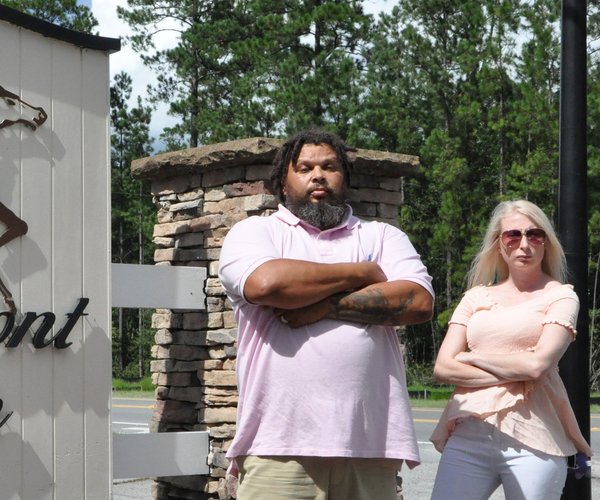
Raymond Carver, a resident near the future Project Camellia site, said it was upsetting to see the motions pass without the board hearing from residents first.
“We’re constantly being pushed out of being able to have a voice in this entire situation,” Carver said. “It feels like we, the people that are surrounding this place, are being monetized. They’re rushing through this thing without giving the people that live in the area any say in anything.”
The approved measures now move to the county and school boards for consideration as the three entities work toward implementing the agreements and proposed 2026 tax changes.