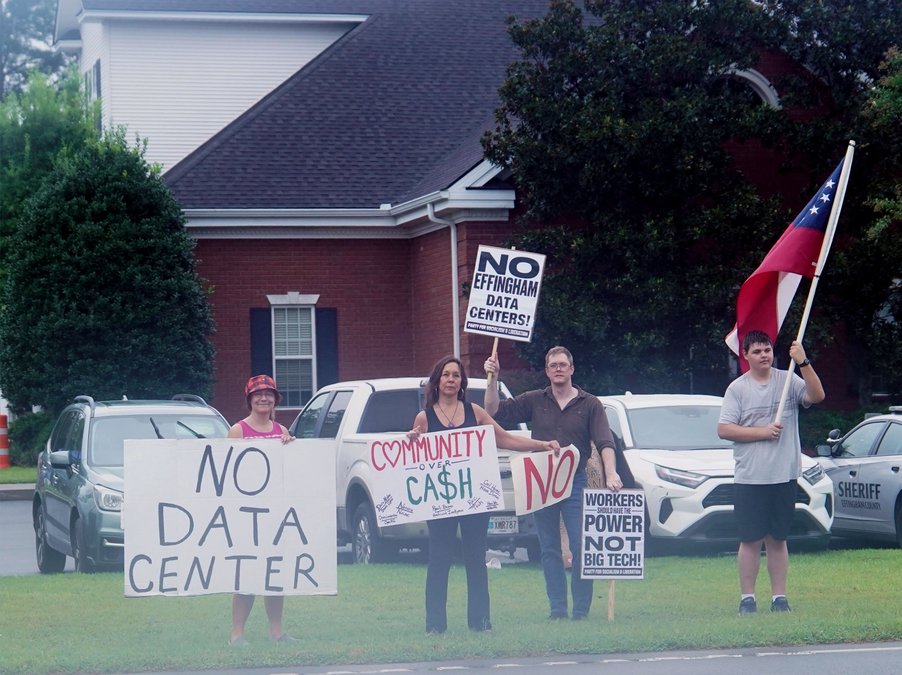
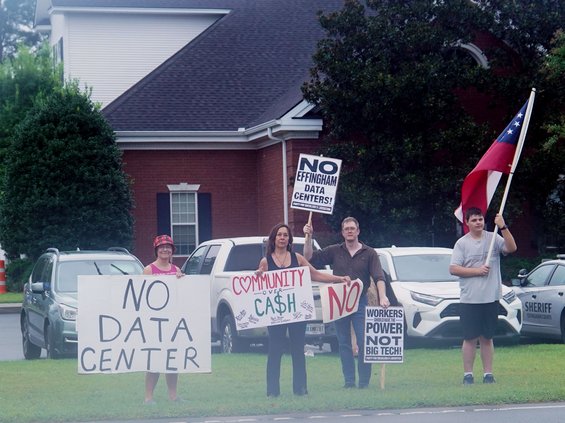
SPRINGFIELD – Effingham County residents spent nearly three hours Saturday pressing county commissioners over OpenAI’s proposed Project Camellia data center, challenging officials over the project’s potential impact on their homes, utilities and the county’s future.
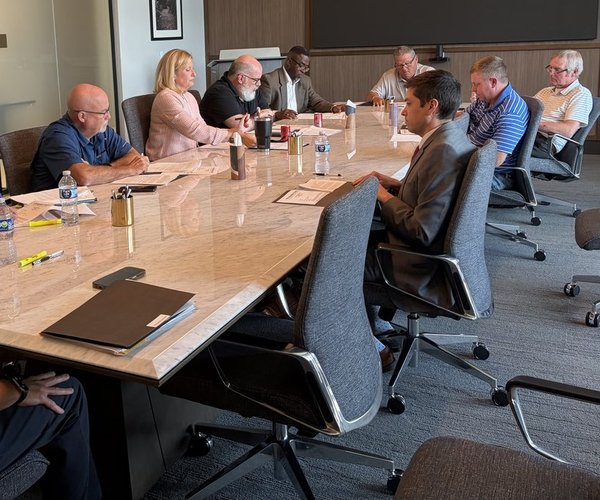
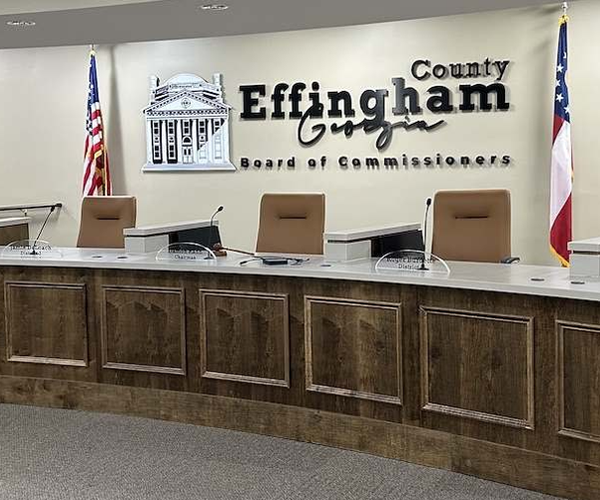
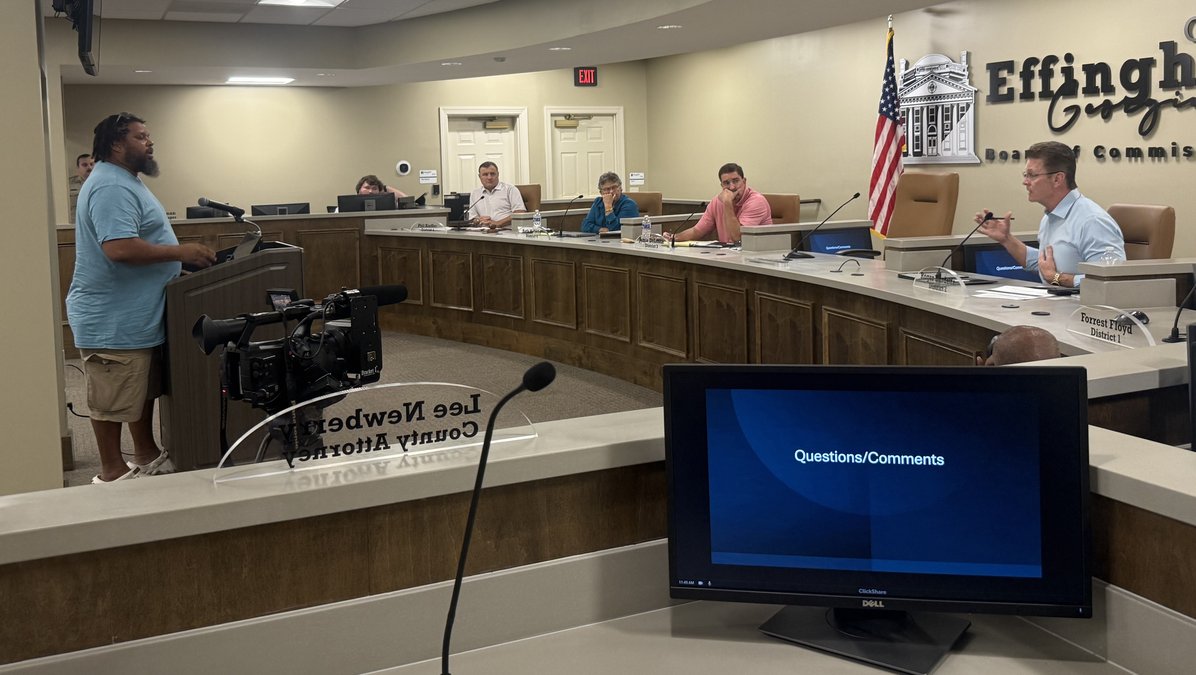
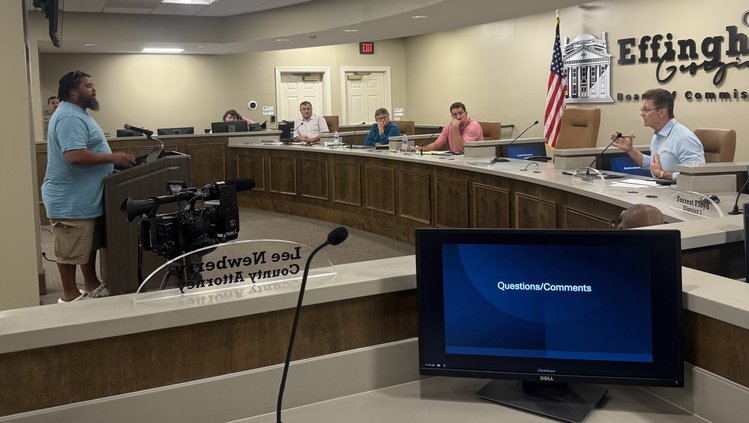
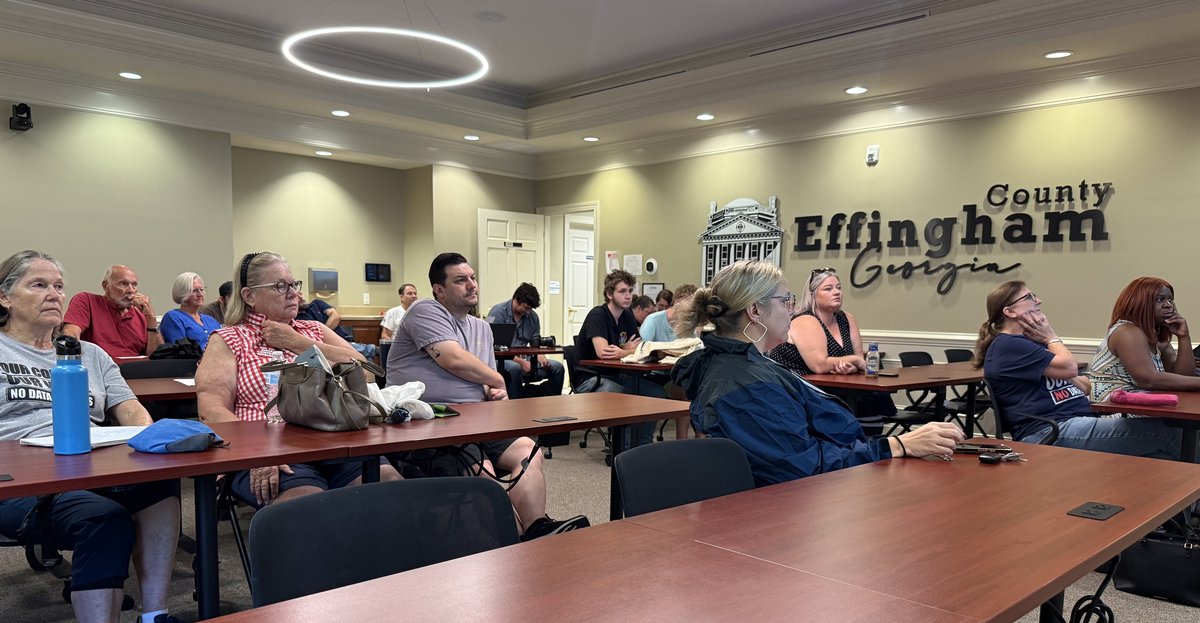
For the first time since OpenAI announced the project in July, commissioners devoted a work session to hearing directly from residents. About 75 people packed the council chambers at the county’s administrative complex, while another 25 listened from an overflow room across the hall.
The meeting exposed a growing trust gap between some residents and county government over how the project has been handled, with commissioners acknowledging some of the criticism and discussing possible changes to how future data centers are reviewed.
Residents grow frustrated during presentation
The meeting opened with a lengthy presentation from County Manager Tim Callanan that lasted about an hour and 20 minutes. As Callanan worked through the project’s history, zoning, infrastructure commitments and proposed safeguards, frustration spread through the room. Some residents complained the presentation was consuming valuable time that should have been devoted to hearing from the public.
“You’re wasting our time,” Al Levey, an Effingham County resident, said. “I’m sick and tired of you guys talking about money, what you’re going to do with our homes.”
The presentation eventually gave way to the public comment period residents had been waiting for. Callanan and commissioners faced residents who came prepared with speeches, research papers and questions about noise, water, electricity, emergency services, environmental impacts and transparency surrounding the process that brought Project Camellia to Effingham County.
The public comment period stretched to about three hours as commissioners listened and tried to answer questions. Commissioner Roger Burdette, who represents District 2, where Project Camellia will be built, fielded most of the questions. At one point, he expressed regret over the lack of transparency.
“Part of transparency is admitting when you're wrong, and I was wrong,” Burdette said. “I should have put this out. If I would have a chance to do this again I would have done it differently.”
Residents raise concerns about noise, neighborhoods
Raymond Carver, who lives near the proposed site, was the first to speak, raising concerns about noise and the potential effects on surrounding neighborhoods.
“We bought into that neighborhood, into that area, because we wanted the quiet right to enjoyment,” Carver said.
He also questioned the heat generated by the facility and whether planned vegetation would adequately block noise.
“Take it away from people, neighborhoods and schools,” Carver said.
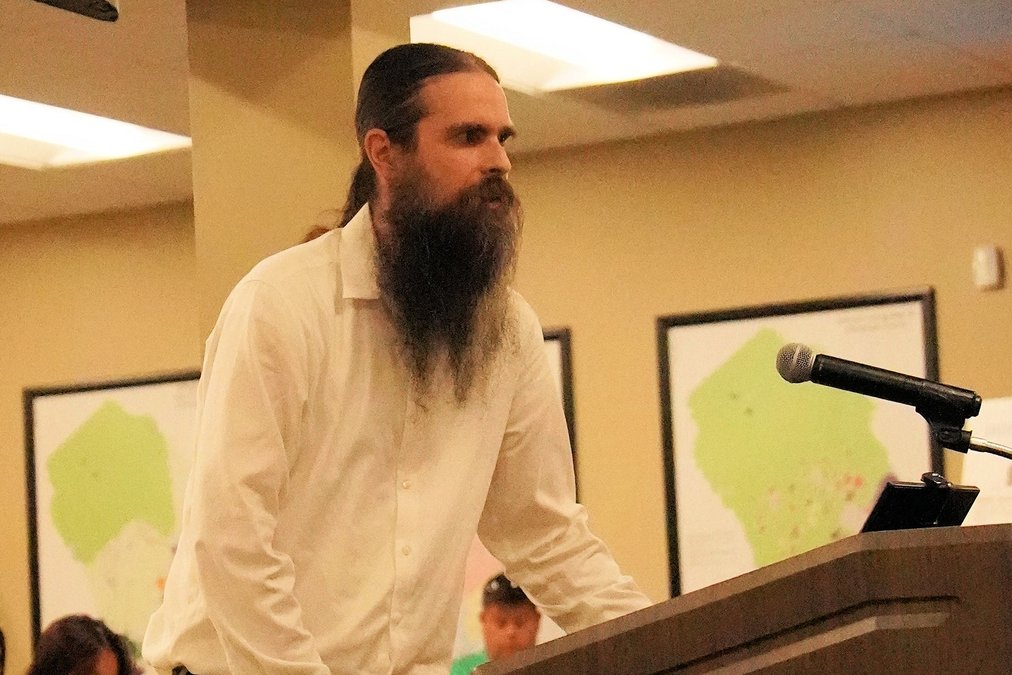
Carrie Weber, a rural Effingham County resident, said her concerns extended beyond the immediate area.
She described the proposed data center as an “unprecedented use” and questioned whether county infrastructure could withstand the concentration of electrical and industrial development.
Power, hurricanes and emergency response
Weber raised concerns about power outages during hurricanes, battery storage and the county’s ability to respond to emergencies.
“The concentration of the infrastructure being built around the data center, I believe you’re setting up the more rural parts of the county for catastrophic failures,” Weber said. “When a hurricane comes through, not if, but when, we’re already without power for eight to 14 days and I'm terrified that’s going to increase when the data center’s power is prioritized over residential and rural customers.”
During another discussion about the potential benefits of having a data center in the already industrially zoned area, Weber interrupted.
“We would rather pay taxes than sell our souls and sell our lives to OpenAI,” Weber said.
Callanan responded that the company had discussed providing additional equipment and training for local emergency responders, particularly because battery fires require different response techniques.
Utility costs and water concerns
Water and utility costs also became a major point of contention.
Nancy Walmsley, a county resident, questioned whether increased demand for natural gas and electricity could eventually translate into higher utility bills for residents, saying OpenAI’s promises would “fall flat.”
Burdette acknowledged the concern.
“The natural gas portion of it, I’m going to be looking more into because I’m a little concerned about that as well,” he said.
Kenny Lak, a Rincon resident and attorney, challenged the completeness of the Development of Regional Impact filing. He said important information concerning environmental resources, water systems and waste had not been adequately presented.
Lak warned that the proposed site includes sensitive hydrology connected to regional drinking-water resources and questioned the placement of large-scale battery storage over permeable soils and an aquifer recharge area.
He handed commissioners a large packet of research.
“There are still methods that if you step up, have a little backbone, protect your residents, and listen to these concerns, there is a way for you to refuse that site plan and say, ‘Look, this project just doesn't work,’” Lak said. “OpenAI could have researched this hydrology, could have looked at where the aquifer was … that's on them if they didn't and it's on you to step up and protect us.”
Residents call for a data center moratorium
John Smith, one of the leaders of the Protect Effingham Alliance nonprofit, demanded an 18-month moratorium while the county reviews its policies.
“I know it won't impact Project Camellia, but we need this protection and we needed this protection not today, we needed it six months ago,” he said. “I will echo Senator Warnock's statement. This is Effingham County, not OpenAI County. We must protect Effingham.”
Burdette and District 4 Commissioner Beth Helmly acknowledged that a data center moratorium may be considered.
Helmly said the county should consider a moratorium on future data centers to give county leadership time to write stronger ordinances and make data centers a conditional use requiring additional review.
Burdette agreed, saying he wanted to go beyond a temporary moratorium and establish conditional-use requirements for future projects.
Helmly questions development authority structure
Helmly also raised the idea of changing how development authorities are structured, giving them independence from elected boards, as many residents expressed frustration over the Effingham County Industrial Development Authority’s handling of the OpenAI data center.
“When we say they’re independent, they truly are,” Helmly said. “The only thing that can change it is the state of Georgia legislature. Now is that something we need to pursue? Might be.”